
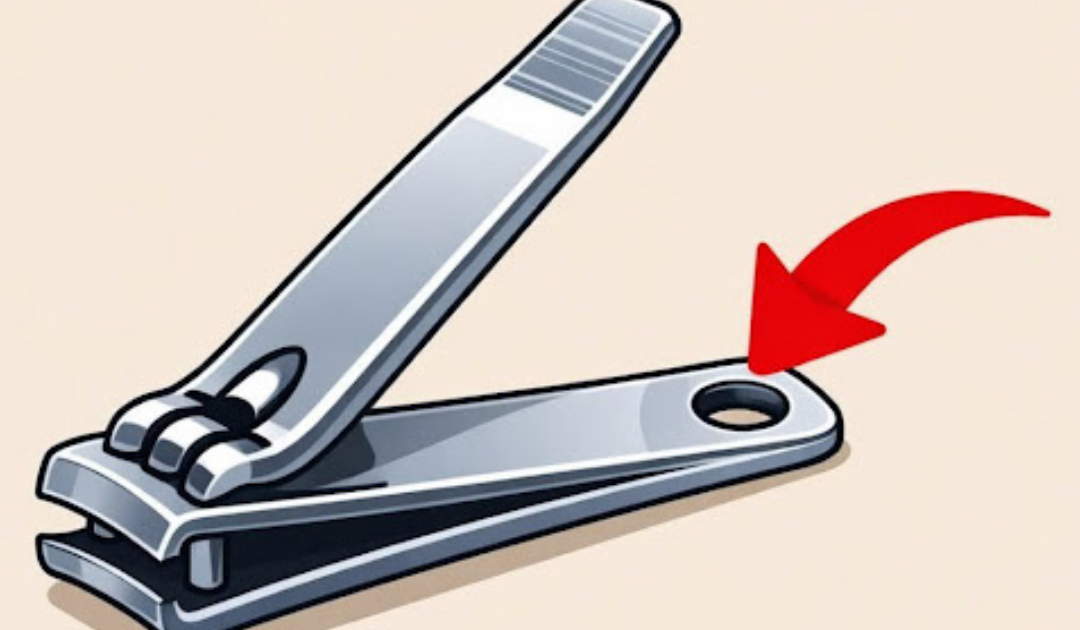
Understanding the Small Round Hole on Your Nail Clipper
Have you ever held a nail clipper and noticed the tiny round hole at the end? This seemingly insignificant detail often goes unnoticed, yet it carries a surprisingly practical purpose. In this article, we will delve into the reasons behind the existence of this small hole, its functional advantages, and the broader context of thoughtful design in everyday grooming tools.
The Evolution of Nail Clippers
Nail clippers have been an essential tool for personal grooming since the late 19th century. They have transitioned from bulky, ornate designs to the streamlined, compact clipper styles that most of us carry in our pockets today. This evolution reflects a cultural shift towards practicality and efficiency in design.
The tiny hole on your nail clipper is more than just a design peculiarity; it encapsulates a design philosophy that prioritizes functionality. Throughout the mid-20th century, this perspective led to the creation of everyday tools that are portable, durable, and user-friendly. Understanding the historical context of nail clippers enhances our appreciation of the intelligent features woven into their design.
Functional Uses of the Small Round Hole
Now, let’s explore some of the key functionalities associated with the small round hole found at the end of your nail clipper:
- Hanging the Clipper: One of the primary uses of the hole is to allow users to hang their nail clippers on hooks or keychains. This feature can help keep your grooming kit organized and prevent the loss of this essential tool.
- Storage Convenience: When not in use, attaching your nail clipper to a lanyard or keychain can ensure it remains accessible and easy to locate when needed, especially in travel scenarios.
- Improved Grip: The hole can also serve as an anchor point for better grip as you clip your nails, ensuring that the tool doesn’t slip from your grasp during use.
- Mechanism Locking: In certain designs, this hole may also be utilized to lock the clipper mechanism in place, preventing accidental opening, especially when stored in a bag or pocket.
The Importance of Design in Everyday Objects
In our fast-paced lives, it’s easy to overlook the significance of thoughtful design. Recognizing that even the smallest details in everyday objects serve a purpose can enhance our appreciation for the craftsmanship that goes into their creation.
The Value of Thoughtful Design
Understanding the reasoning behind features, like the small round hole in nail clippers, encourages us to look beyond the surface of items we may take for granted. It highlights:
- **Enhanced Functionality**: Thoughtful design maximizes utility and effectiveness, ensuring that each tool is equipped for optimal performance.
- **User Experience**: Features crafted to improve user experience help prevent mishaps and inconveniences, demonstrating an awareness of user needs.
- **Minimalistic Approach**: Good design embraces minimalism; unnecessary features dilute functionality, while essential ones enhance it.
Embracing Curiosity Over Assumption
Asking questions about ordinary items can lead to greater insights about our world. When we inquire about the purpose of seemingly trivial aspects, such as the round hole in a nail clipper, we start to uncover valuable lessons about design, utility, and lifestyle.
This perspective not only helps us appreciate the craftsmanship behind everyday objects but also encourages us to advocate for thoughtful design choices in product development. Each tiny detail can contribute significantly to our everyday lives, making routines easier and more efficient.
Conclusion: The Legacy of Thoughtful Design in Grooming Tools
The small round hole on your nail clipper is a prime example of how meticulous design can influence everyday objects. It acts as a reminder that even the simplest tools come with purposeful features aimed at enhancing convenience and efficiency.
By recognizing and valuing such details, we become more conscious consumers who appreciate the interplay between form and function in our daily lives. In a world that often prioritizes speed and convenience, embracing thoughtful design can lead to a more organized, efficient, and aesthetically pleasing lifestyle.