
Introduction
There’s a tiny button on your dashboard that most drivers completely overlook.
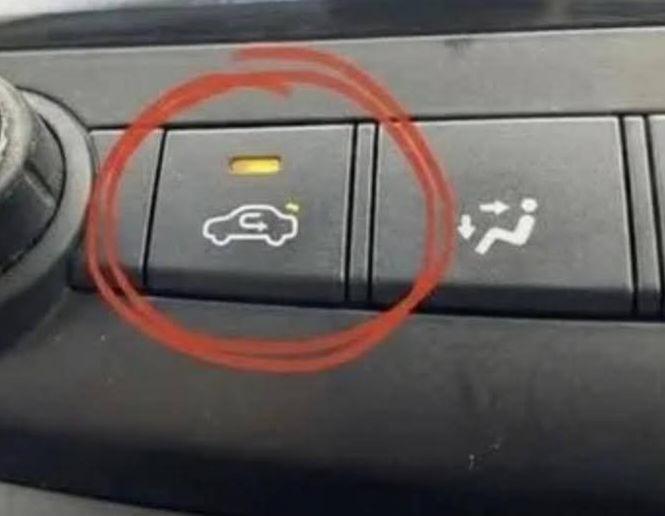
It’s usually marked with a small car icon and a curved arrow looping inside it. Simple. Subtle. Easy to ignore.But that little air recirculation button? It quietly plays a powerful role in your comfort, fuel efficiency, and even the air you breathe while driving.
Many people either never use it — or use it at the wrong times. And once you understand how it works, you’ll never look at it the same way again.If you enjoy practical, everyday tips that make life easier (and save you money!), be sure to subscribe and get posts like this delivered straight to your inbox.What Does the Air Recirculation Button Actually Do?When you activate the air recirculation feature, your car’s HVAC system stops pulling in outside air.
Instead, it: Closes the external air intakeReuses the air already inside the cabinRe-cools or re-heats interior air Think of it like this: instead of constantly conditioning brand-new outside air, your system keeps recycling air that’s already been adjusted to your desired temperature.
Simple change. Big impact.Why This Feature Matters More Than You ThinkUsing the air recirculation button properly can:Cool your car fasterImprove heating efficiencyReduce fuel consumptionLimit exposure to outside pollutionBlock unpleasant odorsBut timing is everything.When You SHOULD Use Air Recirculation1. Cooling Down Faster on Hot DaysOn a scorching afternoon, your car interior can feel like an oven.If you leave the system pulling in outside air, your AC is constantly trying to cool extremely hot air. That makes it work harder.
When you switch on recirculation: The system re-cools already-cooled airCabin temperature drops fasterYour AC runs more efficientlyYou may slightly improve fuel economyIt’s one of the smartest ways to cool your car quickly.2. Driving Through Heavy TrafficIn bumper-to-bumper traffic, the outside air isn’t exactly fresh. Exhaust fumes from surrounding vehicles can easily enter your cabin when the system pulls outside air.
Turning on recirculation:Reduces exposure to vehicle exhaustMinimizes unpleasant smellsHelps maintain cleaner cabin airThe same applies when driving behind diesel trucks.
3. Passing Through Tunnels
Tunnels often trap:
- Vehicle emissions
- Dust
- Stale air
Activating recirculation before entering a tunnel helps prevent those pollutants from entering your car.
4. Driving in Smoky or Polluted Areas
Whether it’s wildfire smoke, industrial zones, or dusty roads, recirculation mode helps limit the amount of outside contaminants entering your vehicle.
It’s not a complete air purifier — but it definitely reduces intake.
When You Should NOT Use Air Recirculation
This is where many drivers make mistakes.
1. In Cold Weather (Especially with Foggy Windows)
In winter, keeping recirculation on too long can cause:
- Increased humidity inside the cabin
- Foggy windows
- Reduced visibility
Your breath adds moisture to the air. If the system keeps recycling that same humid air, condensation builds up on windows.
For defrosting, outside air works better.
2. On Long Drives Without Fresh Air
Over time, constantly recycling interior air can make the cabin feel:
- Stuffy
- Slightly stale
- Less oxygen-rich
It’s smart to periodically switch back to fresh air mode during long trips.
3. When Heating the Car from Very Cold Temperatures
Sometimes bringing in a bit of fresh outside air helps balance humidity and prevent window fog.
Does It Really Save Fuel?
Yes — but modestly.
When your AC works less aggressively (because it’s cooling already-cooled air), the engine doesn’t need to work as hard to power the compressor.
The difference isn’t dramatic — but over time, it adds up.
Efficiency improves most:
- In very hot climates
- During city driving
- When cooling a vehicle quickly
A Simple Rule to Remember
Here’s an easy guideline:
- Hot outside? → Use recirculation.
- Smelly or polluted outside? → Use recirculation.
- Cold and foggy windows? → Turn it off.
That’s it.
Frequently Asked Questions
Does recirculation clean the air?
Not exactly. It reduces the intake of outside air but relies on your cabin air filter to trap particles.
Can I leave it on all the time?
It’s not recommended. Long-term use can increase humidity and make the cabin feel stale.
Why does my car automatically turn it off?
Many modern vehicles automatically disable recirculation during defrost mode to prevent fogging.
The Bigger Picture
That small button isn’t just a comfort feature — it’s a smart efficiency tool.
Used correctly, it can:
- Improve comfort
- Protect cabin air quality
- Reduce strain on your AC
- Help you cool down faster
- Minimize outside pollutants
It’s a tiny adjustment that makes a noticeable difference in your daily drive.
Next time you start your car on a hot afternoon, try it. You might be surprised how much faster the cabin cools.
Sometimes the smallest buttons hold the biggest secrets. 🚗