
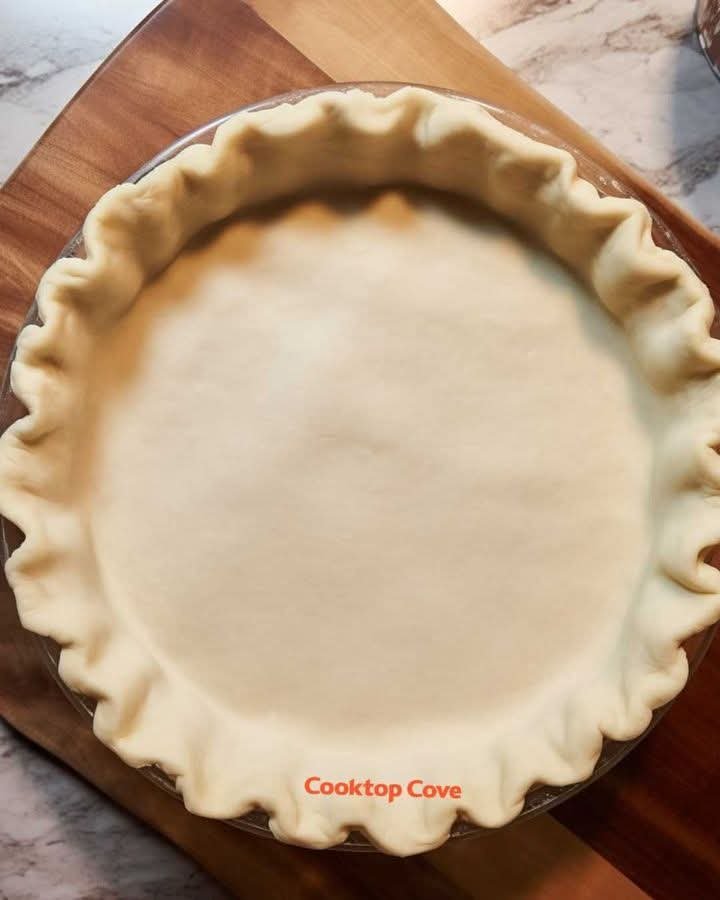
# Old-Fashioned 100-Year-Old No-Fail Pie Crust Recipe
Creating the perfect pie crust is an essential skill for bakers, whether you’re preparing a sweet dessert or a savory delight. If you’re searching for a reliable recipe that boasts age-old wisdom, this old-fashioned 100-year-old no-fail pie crust recipe is just what you need. Not only is it simple to follow, but it also produces a perfectly flaky and tender crust every time.
## Why Choose an Old-Fashioned Pie Crust Recipe?
### Timeless Reliability
Old-fashioned recipes, like this one, have stood the test of time for a reason. They are rooted in tradition and often rely on basic, readily available ingredients. With a few simple steps, you can bring a touch of nostalgia and comforting flavors to your kitchen.
### Perfect for Any Occasion
Whether you’re hosting a gathering, celebrating a holiday, or just craving a homemade treat, this no-fail pie crust recipe is versatile enough to suit any filling. From classic apple pies to decadent chocolate cream variations, you’ll find this crust elevates every dessert.
## Ingredients for the Perfect Pie Crust
To make this old-fashioned pie crust, gather the following ingredients:
– **2 ½ cups all-purpose flour**: This is the foundation of your crust, providing structure and stability.
– **1 teaspoon salt**: Enhances flavor and complements the sweetness of pies.
– **1 tablespoon sugar**: Optional, but it adds a subtle sweetness that pairs wonderfully with fruit fillings.
– **1 cup unsalted butter (cold and cubed)**: The key to a flaky crust; cold butter creates steam, resulting in a light texture.
– **6 to 8 tablespoons ice water**: Chilled water helps bring the dough together without warming the butter.
## Step-by-Step Instructions
### Step 1: Mix the Dry Ingredients
In a large mixing bowl, combine the **flour**, **salt**, and **sugar**. Whisk together until well combined. Make sure there are no lumps, as they can affect the texture of the crust.
### Step 2: Cut in the Butter
Add the **cold, cubed unsalted butter** to the flour mixture. Using a pastry cutter or your fingers, work the butter into the flour until the mixture resembles coarse crumbs. It’s important to keep the butter pieces somewhat visible; this will ensure that your pie crust has a flaky texture.
### Step 3: Add the Ice Water
Slowly add the **ice water**, one tablespoon at a time, mixing gently with a fork after each addition. Be cautious not to overwork the dough; it should just come together without being sticky. You may not need the full amount of water, so add it gradually until the dough holds together.
### Step 4: Chill the Dough
Divide the dough in half and shape each portion into a disk. Wrap each disk in plastic wrap and refrigerate for at least **30 minutes**. Chilling the dough allows the gluten to relax, which prevents shrinkage during baking.
### Step 5: Roll Out the Dough
Once chilled, take one disk of dough from the refrigerator. On a lightly floured surface, roll the dough out into a circle about **12 inches in diameter**. Use a rolling pin, and keep the thickness even. Transfer the dough to your pie dish by folding it over the rolling pin, then unrolling it in the dish.
### Step 6: Finish the Crust
Trim any excess dough hanging over the edges of the pie dish, leaving about an inch to work with. Fold the edges under and crimp or decorate as desired. If your recipe calls for a pre-baked crust, poke the bottom with a fork to prevent bubbling.
### Step 7: Bake
For a **pre-baked crust**, bake in a preheated oven at **375°F (190°C)** for about **20-25 minutes**, or until lightly golden brown. For a filled pie, bake according to the specific pie recipe’s instructions.
## Tips for the Best Pie Crust
– **Keep Everything Cold**: The key to a flaky pie crust is to handle the ingredients as little as possible and keep them cold.
– **Use the Right Flour**: All-purpose flour is effective for pie crust, but using a blend of all-purpose and a bit of pastry flour can create an even more tender result.
– **Avoid Overmixing**: When adding the water, mix only until combined. Overworking the dough can lead to a tough crust.
– **Experiment with Flavors**: Feel free to infuse the crust with flavors like vanilla extract or citrus zest to complement the fillings.
## Conclusion
This old-fashioned 100-year-old no-fail pie crust recipe is a staple for any home baker. With its simple ingredients and straightforward process, you’re well on your way to creating delicious pies that will impress your family and friends. Whether you use it for sweet apple pies, luscious berry tarts, or savory quiches, this pie crust is versatile and reliable. Now that you have this classic recipe in your arsenal, the possibilities are endless, and the delightful aroma of freshly baked pies awaits. Enjoy your baking journey!