
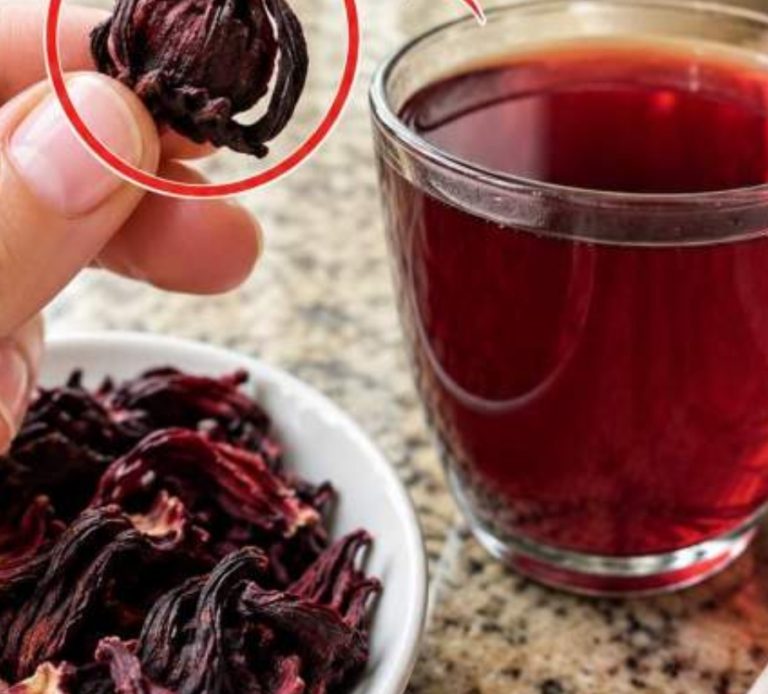
That deep red cup of hibiscus tea is more than just a beautiful beverage. For centuries, hibiscus has been enjoyed around the world for its refreshing flavor and potential health benefits. Today, researchers continue to explore how this vibrant herbal tea may support kidney function, healthy blood pressure levels, cholesterol management, and overall wellness.
Many people choose hibiscus tea as a healthier alternative to sugary drinks, hoping to support hydration while avoiding excess calories and added sugars. While hibiscus tea is not a miracle cure, it may offer several benefits when combined with a healthy lifestyle.
Why Hibiscus Tea Has Gained So Much Attention
Hibiscus tea contains natural plant compounds, including antioxidants called anthocyanins, which give the tea its rich ruby-red color. These compounds help protect cells from oxidative stress and may contribute to several of the tea’s potential health-supporting effects.
Some of the most commonly discussed benefits of hibiscus tea include:
- Supporting healthy kidney function
- Helping maintain normal blood pressure levels
- Supporting healthy cholesterol levels
- Reducing occasional water retention
- Assisting with weight-management efforts when replacing sugary beverages
These potential benefits explain why many people reach for a cup of hibiscus tea during the day instead of consuming high-calorie soft drinks or sweetened beverages.
Understanding Fluid Retention and Daily Bloating
Many people experience symptoms such as:
- Puffy fingers
- Swollen ankles
- Abdominal bloating
- Feelings of heaviness
- Mild water retention
These issues can become especially noticeable later in the day. While various factors contribute to fluid retention, proper hydration and a balanced diet can play important roles in helping the body regulate fluid balance.
Hibiscus tea is often appreciated for its mild diuretic properties, which may help the body naturally eliminate excess fluid. As a result, some individuals report feeling lighter and less bloated after regularly incorporating hibiscus tea into their routine.
Hibiscus Tea and Kidney Health
The kidneys serve as the body’s natural filtration system. Every day, they work continuously to remove waste products, regulate fluids, and maintain important mineral balances.
When the body retains excess fluid, people may notice symptoms such as:
- Puffiness around the eyes
- Swollen feet or ankles
- General feelings of heaviness
- Increased discomfort from fluid buildup
Hibiscus tea may support the body’s natural fluid-regulation processes. Its mild diuretic effects can encourage normal urine production, helping the body manage excess water more efficiently.
While hibiscus tea should never replace medical treatment for kidney disease or kidney-related conditions, it may serve as a beneficial addition to a healthy lifestyle for many individuals.
How Hibiscus Tea May Support Healthy Blood Pressure
One of the most researched benefits of hibiscus tea is its potential effect on blood pressure.
Several studies have suggested that regular consumption of hibiscus tea may help support healthy blood pressure levels already within a normal range. Researchers believe this may be related to the tea’s antioxidant compounds and its ability to promote healthy blood vessel function.
People who experience occasional feelings of tension, pressure, or stress may appreciate hibiscus tea as part of a heart-conscious lifestyle. However, anyone taking blood pressure medication should consult a healthcare professional before significantly increasing their hibiscus intake.
The Connection Between Hibiscus Tea and Cholesterol
Cholesterol issues often develop gradually and may not produce obvious symptoms. Over time, maintaining healthy cholesterol levels becomes an important part of supporting cardiovascular wellness.
Research suggests that the antioxidants found in hibiscus may help support healthy cholesterol balance. Some studies indicate that hibiscus may contribute to maintaining favorable lipid profiles when combined with healthy eating habits and regular physical activity.
Although hibiscus tea is not a replacement for prescribed cholesterol treatments, it may serve as a supportive addition to an overall heart-healthy lifestyle.
Can Hibiscus Tea Help with Weight Management?
Hibiscus tea contains very few calories when consumed without added sugar. This makes it an excellent alternative to:
- Soft drinks
- Sweetened teas
- Energy drinks
- Sugary coffee beverages
Replacing high-calorie beverages with hibiscus tea may help reduce daily calorie intake, which can support weight-management goals over time.
Additionally, some people find that staying hydrated with herbal teas helps reduce unnecessary snacking and improves overall dietary habits.
Why People Notice Different Benefits
The effects of hibiscus tea can vary from person to person.
Women Often Notice:
- Reduced feelings of bloating
- Less puffiness in the face
- Improved comfort from water retention
- Better-fitting rings and shoes
Men Often Notice:
- Improved feelings of overall wellness
- Less heaviness during the day
- Better hydration habits
- Increased replacement of sugary beverages with healthier options
Regardless of gender, the underlying benefit often comes from improved hydration and healthier beverage choices.
The Biggest Mistake People Make with Hibiscus Tea
One of the most common mistakes is adding large amounts of sugar to the tea.
While hibiscus tea itself is naturally low in calories, excessive sweeteners can quickly transform a healthy beverage into a high-calorie drink. This may undermine many of the benefits people hope to achieve.
For best results:
- Brew hibiscus tea according to package instructions
- Avoid overcooking the flowers
- Use little or no added sugar
- Consider natural flavor additions such as lemon slices or mint leaves
How to Prepare Hibiscus Tea
Ingredients
- 1 tablespoon dried hibiscus flowers
- 2 cups water
Instructions
- Bring water to a gentle boil.
- Remove from heat.
- Add dried hibiscus flowers.
- Steep for 5–10 minutes.
- Strain and serve hot or chilled.
- Add lemon if desired.
Final Thoughts
Hibiscus tea is a flavorful herbal beverage that may support hydration, healthy blood pressure levels, cholesterol management, and fluid balance. Its rich antioxidant content and refreshing taste make it a popular choice for people seeking healthier beverage alternatives.
While hibiscus tea can be a valuable addition to a balanced lifestyle, it should not be considered a substitute for medical treatment or professional healthcare advice. The greatest benefits come from consistent healthy habits, including proper nutrition, regular physical activity, and routine medical care.
Disclaimer: This article is for informational purposes only and does not replace professional medical advice, diagnosis, or treatment. Always consult your healthcare provider before making significant changes to your diet or wellness routine.