
Introduction
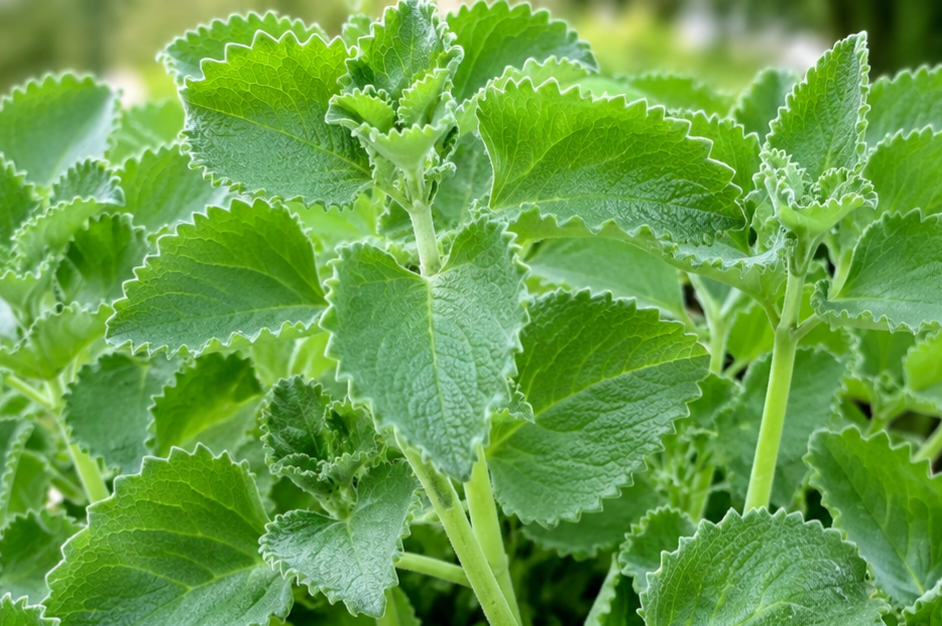
If you enjoy growing useful herbs at home, Cuban Oregano (Plectranthus amboinicus) is one of the most rewarding plants you can add to your garden, balcony, or kitchen. Known for its thick, fuzzy leaves and powerful aroma, this easy-to-grow herb is both decorative and practical.
Cuban oregano is known by several names, including Indian Borage, Mexican Mint, Spanish Thyme, Broadleaf Thyme, and Mexican Oregano. Its unique fragrance combines notes of oregano, thyme, mint, and sage, making it a popular ingredient in many cuisines around the world.
Quick Overview
Feature
Details
Plant Name
Cuban Oregano
Scientific Name
Plectranthus amboinicus
Other Names
Indian Borage, Mexican Mint, Spanish Thyme
Plant Type
Aromatic Herb
Difficulty Level
Easy
Best Location
Sunny Window, Balcony, Garden
Water Needs
Moderate
Main Uses
Cooking, Herbal Tea, Home Gardening
Flavor
Strong, Savory, Slightly Minty
Propagation
Stem Cuttings
Why You’ll Love Cuban Oregano
Cuban oregano is popular among gardeners and home cooks because it is:
Easy to grow
Fast-growing
Highly aromatic
Beginner-friendly
Ideal for containers
Beautiful and decorative
Excellent for cooking
Easy to propagate from cuttings
Suitable for balconies and indoor gardens
One of its most attractive features is its strong herbal fragrance. Simply brushing against the leaves releases a pleasant aroma that fills the surrounding area.
What Is Cuban Oregano?
Cuban oregano belongs to the mint family and differs significantly from traditional Mediterranean oregano.
Key Characteristics
Thick, succulent leaves
Soft, velvety texture
Scalloped leaf edges
Strong herbal aroma
High drought tolerance
Because the leaves store moisture, the plant can withstand short dry periods better than many other herbs.
Common Names Around the World
Name
Region
Cuban Oregano
Caribbean & North America
Indian Borage
India
Mexican Mint
Latin America
Spanish Thyme
Caribbean Islands
Broadleaf Thyme
Tropical Regions
Although these names vary by region, they generally refer to the same plant.
Flavor and Aroma
The flavor of Cuban oregano is bold and intense.
It combines notes of:
Oregano
Thyme
Mint
Sage
Mild Pepper
Herbal Citrus
Because of its potency, only a small amount is needed when cooking.
Culinary Uses of Cuban Oregano
Cuban oregano can be used fresh or dried.
Fresh leaves provide the strongest flavor and aroma, while dried leaves become more concentrated.
- Soups and Stews
Add 1–2 chopped leaves to:
Chicken soup
Lentil soup
Vegetable soup
Beef stew
Bean stew
The herb adds a deep savory flavor to broths. - Meat Marinades
Mix chopped leaves with:
Garlic
Olive oil
Lemon juice
Paprika
Salt
Black pepper
Perfect for:
Chicken
Beef
Lamb
Fish
Shrimp - Rice Dishes
Add finely chopped leaves to:
Rice pilaf
Fried rice
Rice and beans
Herb rice
The result is a warm and aromatic flavor. - Roasted Vegetables
Combine chopped leaves with olive oil and garlic, then toss with:
Potatoes
Carrots
Zucchini
Bell peppers
Cauliflower
Roast until golden and tender. - Sauces and Dips
Use small amounts in:
Tomato sauces
Yogurt dips
Garlic sauces
Herb dressings
Its strong flavor means a little goes a long way.
Cuban Oregano Tea
Ingredients
1–2 small fresh leaves
1 cup hot water
1 tsp honey (optional)
Few drops lemon juice (optional)
Small slice of ginger (optional)
Instructions
Wash the leaves thoroughly.
Place them in a mug.
Pour hot water over the leaves.
Cover and steep for 5–7 minutes.
Strain if desired.
Add honey or lemon.
Serve warm.
Tip: Keep the tea mild, especially if trying it for the first time.
Important Wellness Note
Cuban oregano is widely used as a culinary herb and traditional household plant.
However:
It is not a medical treatment.
It should not replace professional healthcare advice.
Pregnant or breastfeeding individuals should consult a healthcare professional before consuming large amounts.
People taking medication should seek medical advice before regular use.
Discontinue use if irritation or discomfort occurs.
How to Grow Cuban Oregano
One of the easiest herbs for beginners.
Growing Requirements
Requirement
Ideal Condition
Light
Bright light or partial sun
Soil
Well-draining
Water
When top soil is dry
Pot
Drainage holes required
Climate
Warm conditions
Propagation
Stem cuttings
Harvest
As needed
Best Light Conditions
Cuban oregano thrives in:
Bright indirect light
Morning sun
Sunny windowsills
Balconies
Patios
Signs of insufficient light:
Leggy growth
Weak stems
Signs of excessive sunlight:
Yellow leaves
Dry leaf edges
Best Soil
Use:
Quality potting mix
Compost
Perlite
Coarse sand
Avoid heavy soil that remains wet for long periods.
Watering Guide
Water only when the top inch of soil feels dry.
Avoid:
Daily watering
Waterlogged soil
Standing water
Overwatering is the most common cause of plant failure.
How to Propagate Cuban Oregano
Step 1: Take a Cutting
Cut a healthy stem approximately 4–6 inches long.
Step 2: Remove Lower Leaves
Leave only a few leaves at the top.
Step 3: Root the Cutting
Place the stem:
In water, or
Directly into moist soil
Step 4: Provide Bright Light
Keep in warm conditions with bright indirect sunlight.
Roots usually appear quickly.
Harvesting Cuban Oregano
For best results:
Harvest mature leaves first.
Trim stems regularly.
Never remove all leaves at once.
Frequent light harvesting promotes bushier growth.
Drying and Storing Leaves
Drying Method
Wash leaves.
Pat dry.
Place on a tray.
Dry in a warm, ventilated location.
Turn occasionally.
Store in airtight containers.
Storage
Fresh leaves can be refrigerated for:
4–5 days
You can also freeze chopped leaves in:
Water-filled ice cube trays
Olive oil cubes
Delicious Recipe Ideas
Cuban Oregano Garlic Marinade
Mix:
Chopped Cuban oregano
Garlic
Olive oil
Lemon juice
Paprika
Salt
Black pepper
Perfect for meats, seafood, and vegetables.
Roasted Potatoes
Toss potatoes with:
Olive oil
Cuban oregano
Garlic powder
Salt
Pepper
Roast until crispy.
Tomato Sauce
Add one finely chopped leaf while simmering.
The sauce develops a rich herbal flavor.
Herb Butter
Combine:
Soft butter
Chopped Cuban oregano
Garlic
Parsley
Salt
Excellent on bread and grilled meats.
Common Growing Problems
Yellow Leaves
Possible causes:
Overwatering
Poor drainage
Insufficient light
Soft Stems
Often caused by root rot due to excessive moisture.
Leggy Growth
Usually indicates lack of sunlight.
Brown Leaf Edges
May result from:
Excessive sun exposure
Underwatering
Dry air
Pests
Occasionally affected by:
Aphids
Mealybugs
Spider mites
Use mild soapy water if needed.
Common Mistakes to Avoid
❌ Using too much in recipes
❌ Overwatering
❌ Growing in deep shade
❌ Harvesting too many leaves at once
❌ Assuming it is identical to Mediterranean oregano
Frequently Asked Questions
Is Cuban oregano the same as regular oregano?
No. It is a different plant with thicker leaves and a stronger flavor.
Can I eat the leaves?
Yes. They are commonly used in cooking.
Can I make tea from it?
Yes. Use 1–2 small leaves for a mild herbal infusion.
Can it cure illnesses?
No. It should not be promoted as a cure or replacement for medical treatment.
Can I grow it indoors?
Yes. A sunny window is ideal.
How often should I water it?
Only when the top inch of soil becomes dry.
Can I grow it from cuttings?
Yes. It propagates very easily from stem cuttings.
Can the leaves be dried?
Yes. Dried leaves are stronger and should be used sparingly.
Final Thoughts
The Cuban Oregano Plant is a fragrant, attractive, and highly versatile herb that deserves a place in every home garden. Its soft fuzzy leaves, bold flavor, and easy-growing nature make it ideal for both beginners and experienced gardeners.
Whether you use it in soups, marinades, sauces, herbal teas, or simply enjoy its fresh aroma in your garden, Cuban oregano offers beauty, convenience, and flavor all in one remarkable plant.